Saturday, August 8th 8:30am-3pm
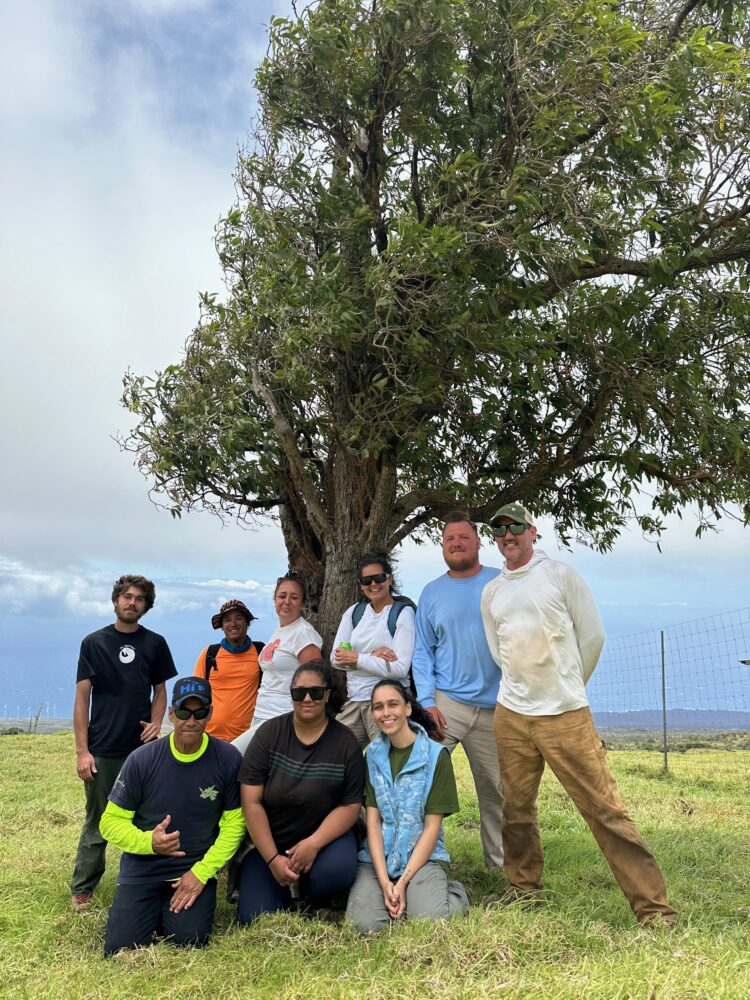
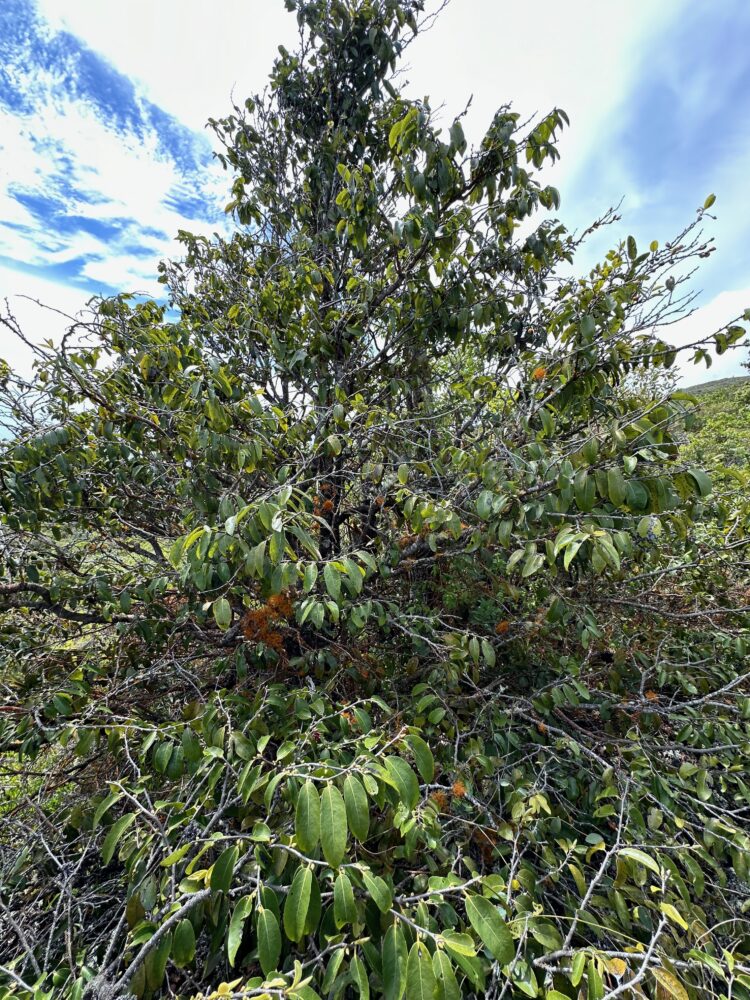
Please email volunteer@auwahi.org. Please include a little background about yourself and and special tree you might want to see.
About Auwahi
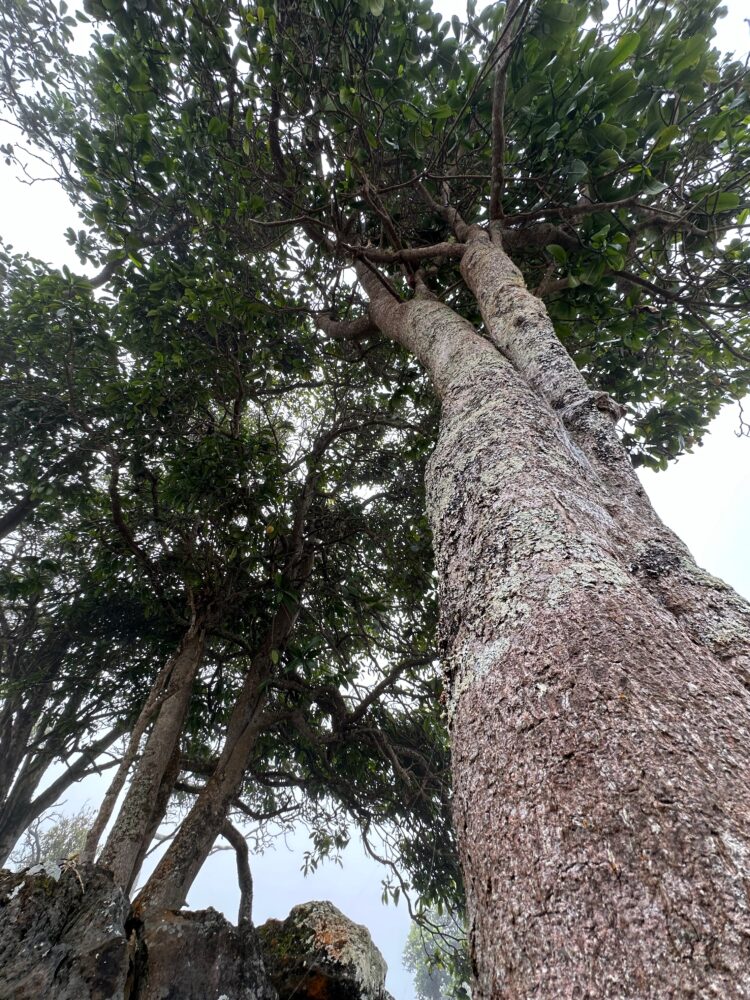
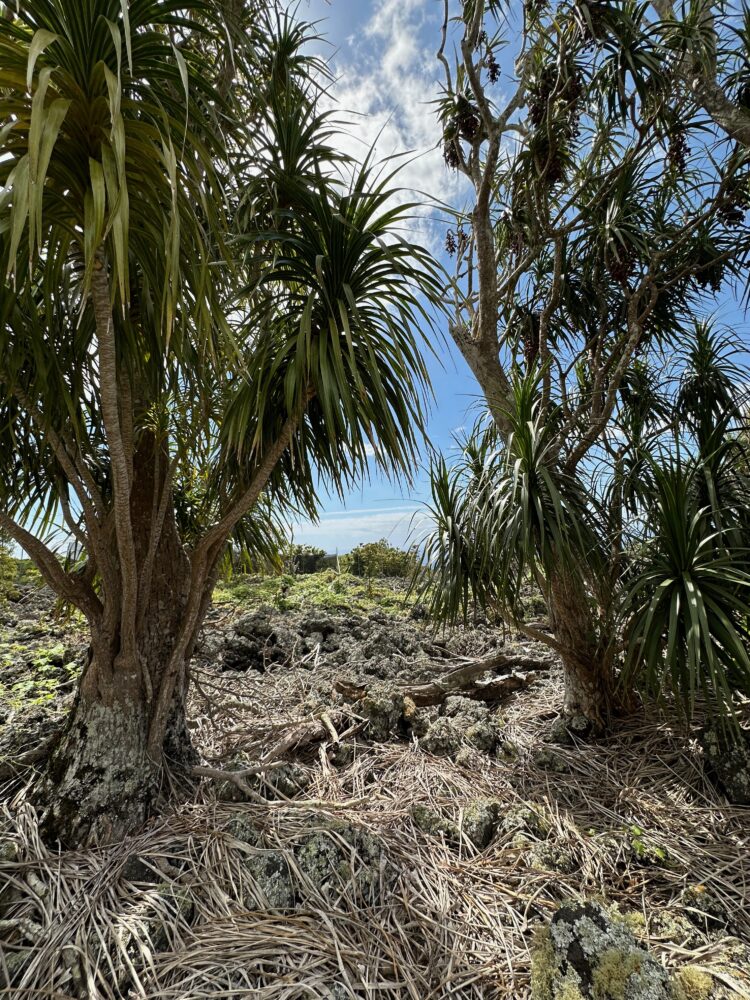
Hawaiian leeward forests are dominated by up to 50-60 tree species that compose their canopy. In 1920, early botanist Joseph Rock identified Auwahi and Pu’uwa’awa’a (Big Island) as the richest forests in tree species in the archipelago. However, by the 1980s, Auwahi forest was described as a ‘museum forest’, as rich and unique as a museum and like a museum, lacking life. Where once leeward forests fell into the sea, today, only 2% of Hawaiian dry forest remains across the archipelago in small, ecologically discontinuous, tattered remnants.
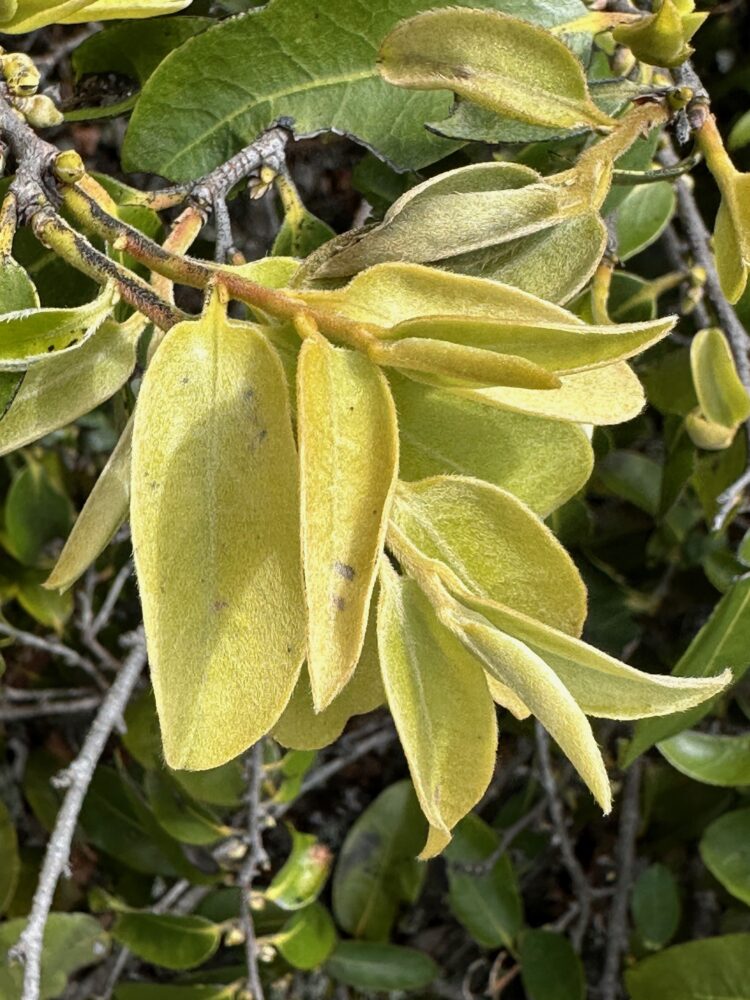
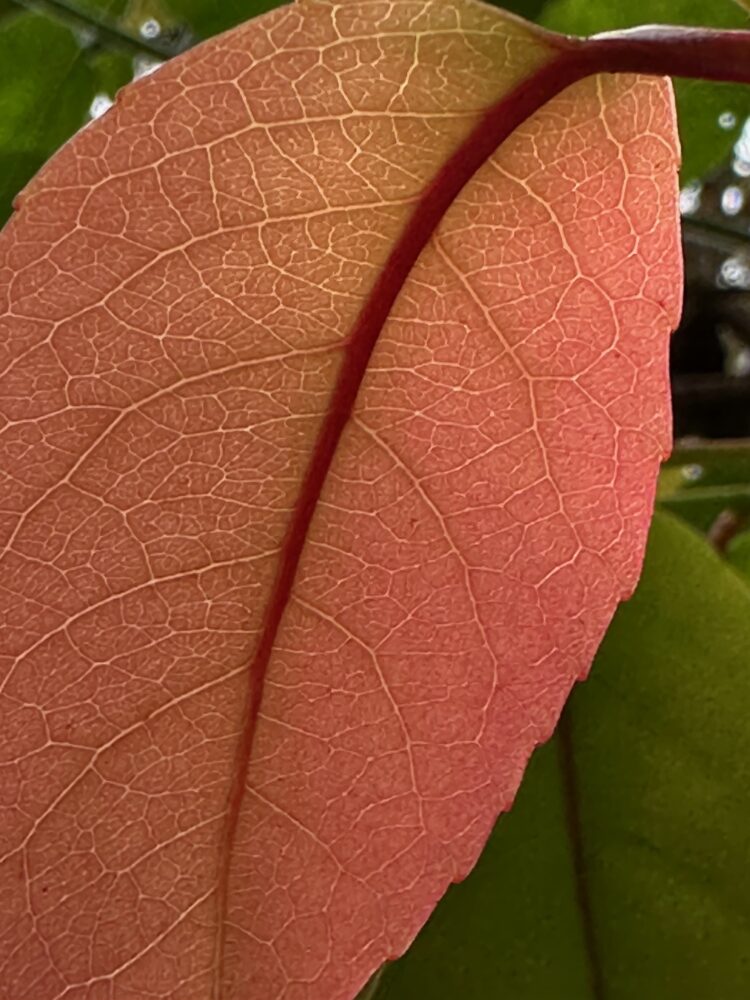
Native dry forest plants were utilized by early Hawaiians for much of Hawaiian ethnobotanical material culture, including food, medicine, tools, distinctive dyes, housing, clothing, ceremony, and spirituality – every aspect of human life. With the support of ‘Ulupalakua Ranch and the volunteering public, since 1997, thousands of Maui’s residents have planted more than 145,000 seedlings of 42 native forest species increasing native cover from 10% to 98% with many native tree species producing seedlings for the first time in centuries. Auwahi has become a sanctuary forest, harboring living habitats for native plants and animals of Haleakalā’s leeward slopes that have no other place to go – a kipuka of ancestral native life in a modern world.